


Latest News
10/22/2026, 7:09 am EDT
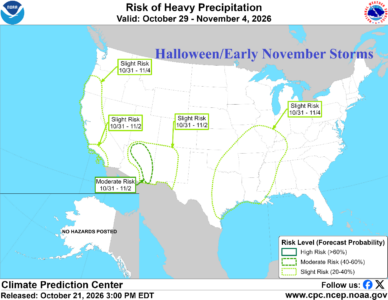
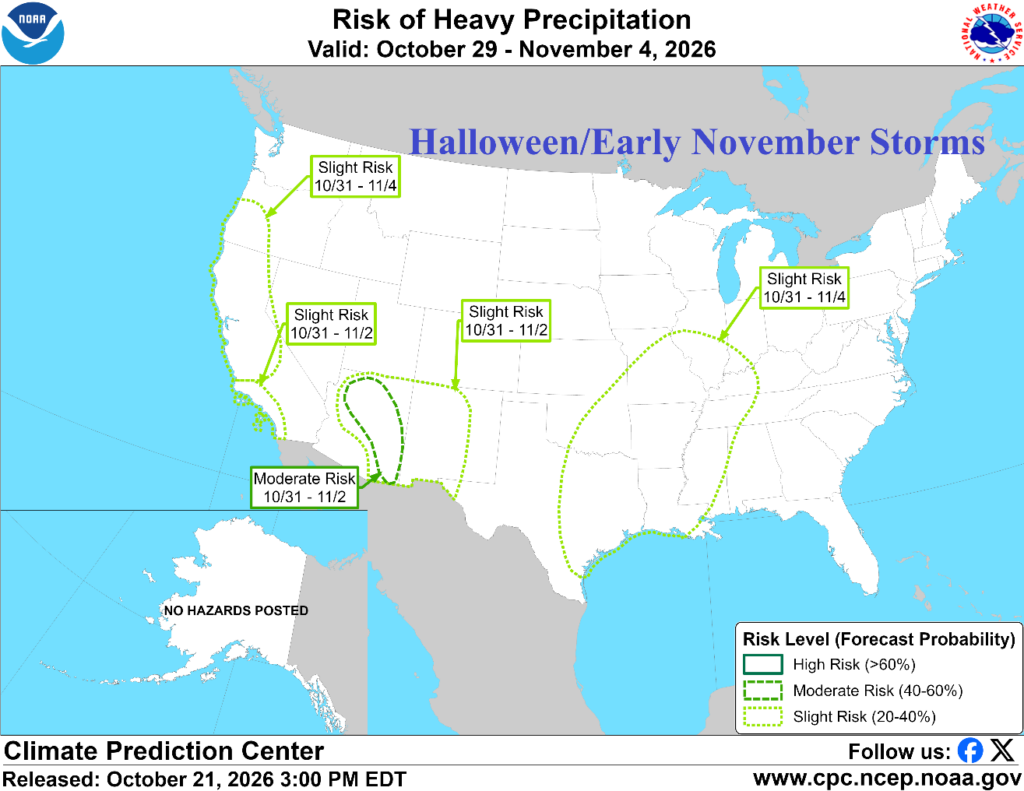
Prohibitive West/South U.S. storm tack ahead with NOAA/CPC highlighting risks for Halloween to November 4th. The pattern will become persistent as the Super El Nino winter climate unfolds.
10/19/2026, 8:46 am EDT
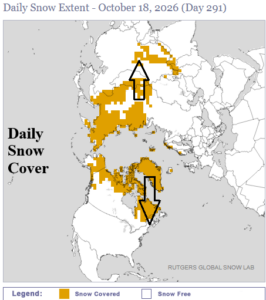
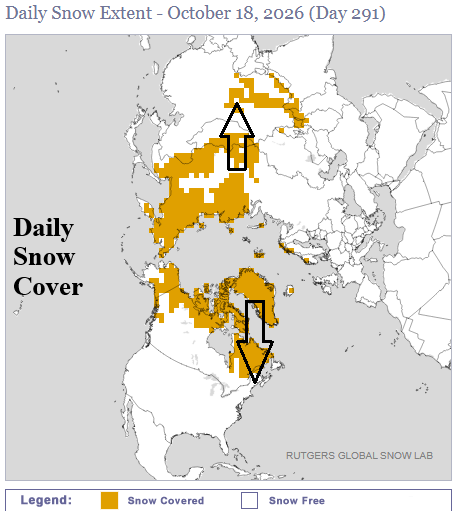
Snow cover is advancing, providing cold bias, and allowing arctic air to gather during the last third of October. Snow cover advance is notable in Quebec and Northeast/Interior East Asia. Above normal snow cover in these regions has increased significantly during recent days.
10/15/2026, 10:13 am EDT
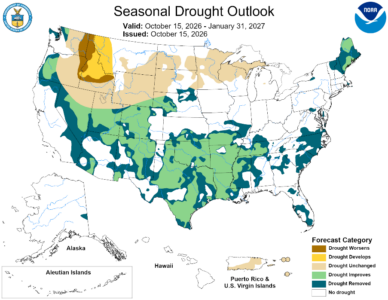
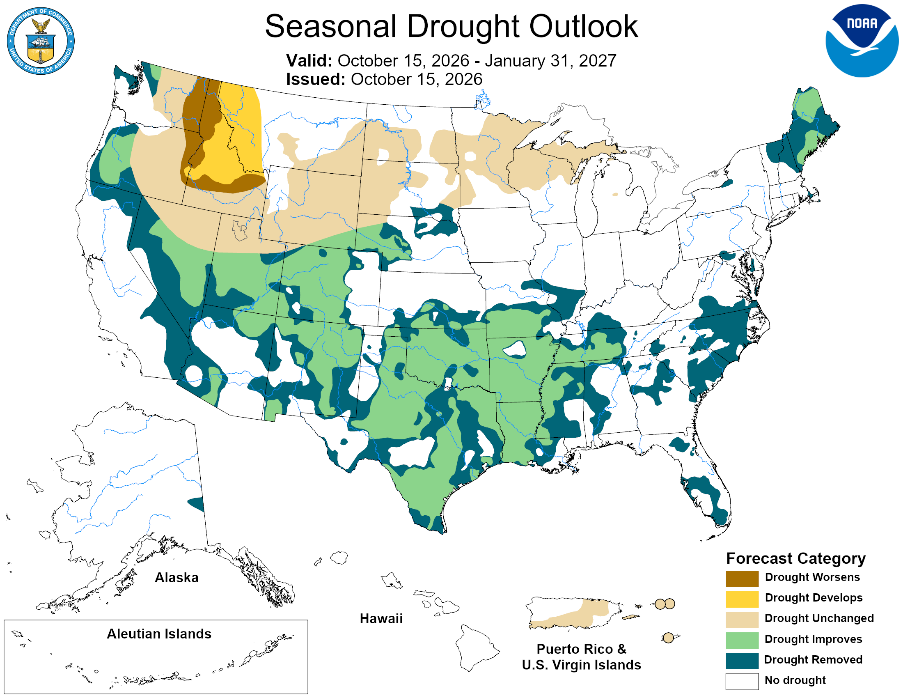
The NOAA/CPC Seasonal Drought Outlook indicates strengthening drought Interior Northwest while the 2026 severe drought extending from the Great Basin and Southwest U.S. to the Mid-south and Southeast States is (mostly) erased.
10/13/2026, 8:40 am EDT

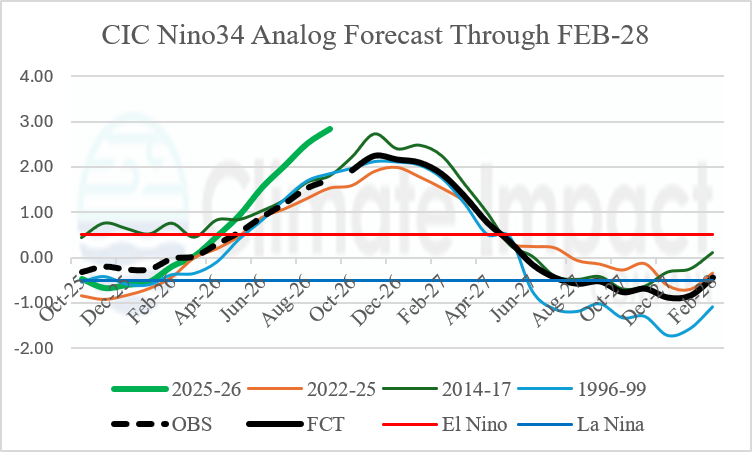
The Climate Impact Company Nino34 analog forecast through FEB-28 reveals current observations are exceeding the historically most intense (Nino34) signatures. El Nino 2026-27 will be record intense, peaking during DEC-26. El Nino intensity steadily decreases during Q1/2027 shifting to neutral phase by MAY-27. The outlook projects weak La Nina to follow mid-to-late 2027.
10/09/2026, 6:27 am EDT
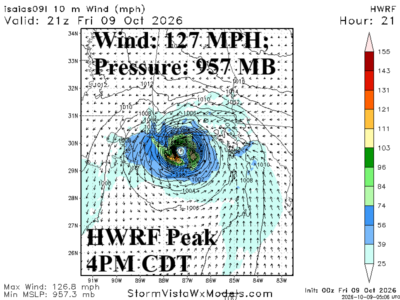
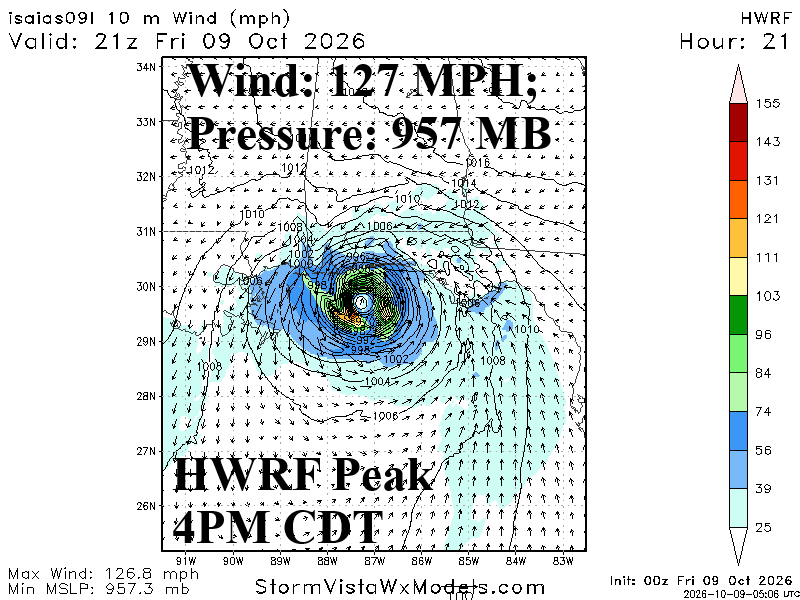
At 5AM EDT, Hurricane Isaias was located at 26.4N/88.0W or about 200 miles south-southeast of the mouth of the Mississippi River. Isaias is moving north-northeast at 15 mph with top wind near 110 mph. Isaias will become a major hurricane shortly.
Climate Impact Company Chart of the Day
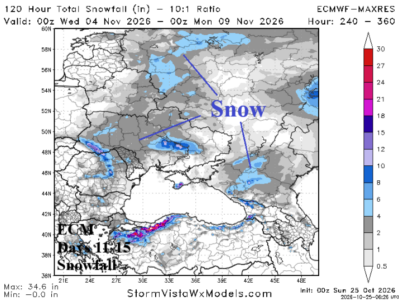
Early Season Snow Black Sea Regions Days 11-15
The Black Sea region will turn wetter, especially next weekend and beyond. In the 11-15-day period, temperatures will shift somewhat colder. The chill is sufficient to cause early season snow across the region.
Climate Impact Company Climate Diagnostics
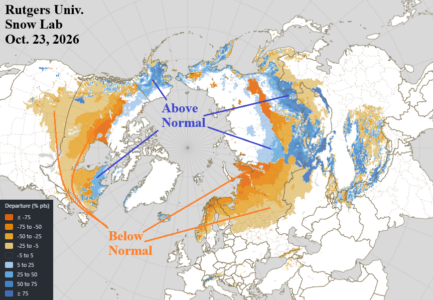
What Should I Look at to Identify Increased Pattern Change/Cold Air Risk?
What to look for as cold season is about to begin to identify pattern change and potential cold air outbreaks, which according to NOAA SFS V2, may be higher than current expectations. One of the lead diagnostics is snow cover and snow cover anomalies observations and trends. If snow cover is advancing (or developing), a built-in cold bias to the pattern across and downwind of the snow cover advancement trend evolves. Conversely, just south of snow cover during meteorological winter, mild temperatures over-achieve.